

("Mmm")AI help you?

I found some questions to the answers.
INXS, “Here Comes” (1982)
Looking at Anthropic user data, as a category, Software Developers show the highest uptake of AI among any profession — nearly double that of the nearest categories. Next are Data Warehousing Specialists and Tutors. Makes sense that the people who parents hire to teach kids to take shortcuts are using shortcuts to find the shortcuts. The profession with the widest task coverage, meaning the greatest breadth of roles AI can help do, are teachers. Teachers also rank near the bottom in AI usage; below them one will find barbers, dental hygienists, and bartenders. Again, this is from Anthropic’s data (i.e. who’s using Claude for what) not surveys or anecdotes.
Professions with the most replaceable work — not the widest range of tasks that can be performed but in which most of the work can be automated by AI — are broadcast news analysts, word processors and business intelligence analysts. Anthopic’s summary of the workforce demographics at greatest risk:

To me, that sounds like software engineers, executive assistants, and human resources. Oh, and management consultants too. I mean, if the consultants who run the consulting companies are any good, one might expect AI to “streamline the process” of PowerPoint production — leaving ChatGPT doing everything but the client pitches. Anthorpic’s modeling shows the tasks AI can do nearly everything twice as fast as a human involve: Computer & Math (94%) and Office & Administrative (90%). A few jobs are safe though…
At the bottom end, 30% of workers have zero coverage… This group includes… Cooks, Motorcycle Mechanics, Lifeguards, Dishwashers, and Dressing Room Attendants.
But, back to the first shoe to drop: professions that demand the most complex applications of math or logic. To that end: logistics. UPS just announced layoffs.
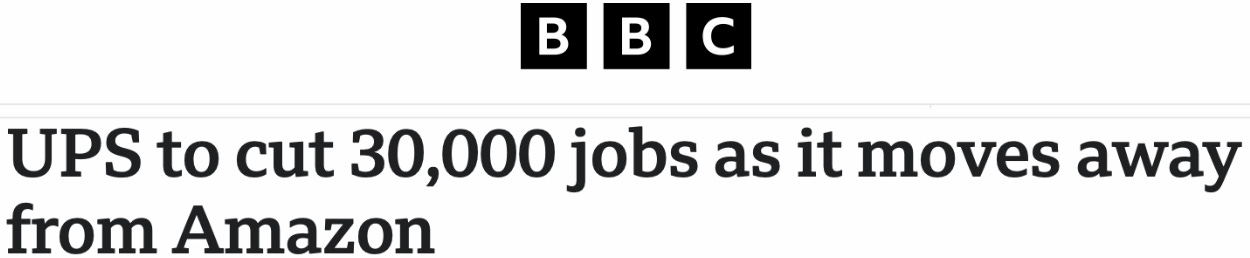
But that’s only because Amazon is taking away even more of their delivery to bring in house. To that end, Amazon just announced layoffs.

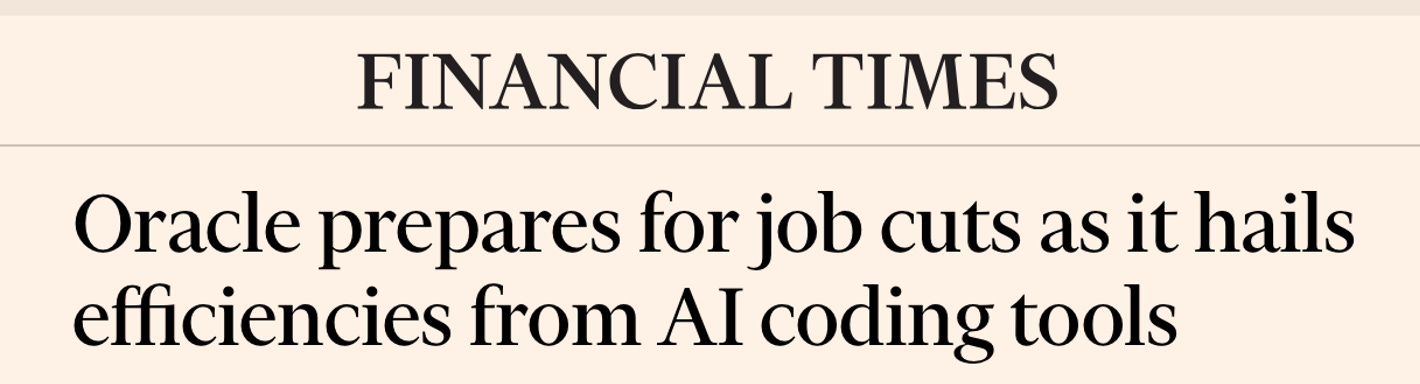
Software is the the first language of an LLM, before English, and, looking at AI adoption among programmers, one might expect layoffs. Oracle just did it.
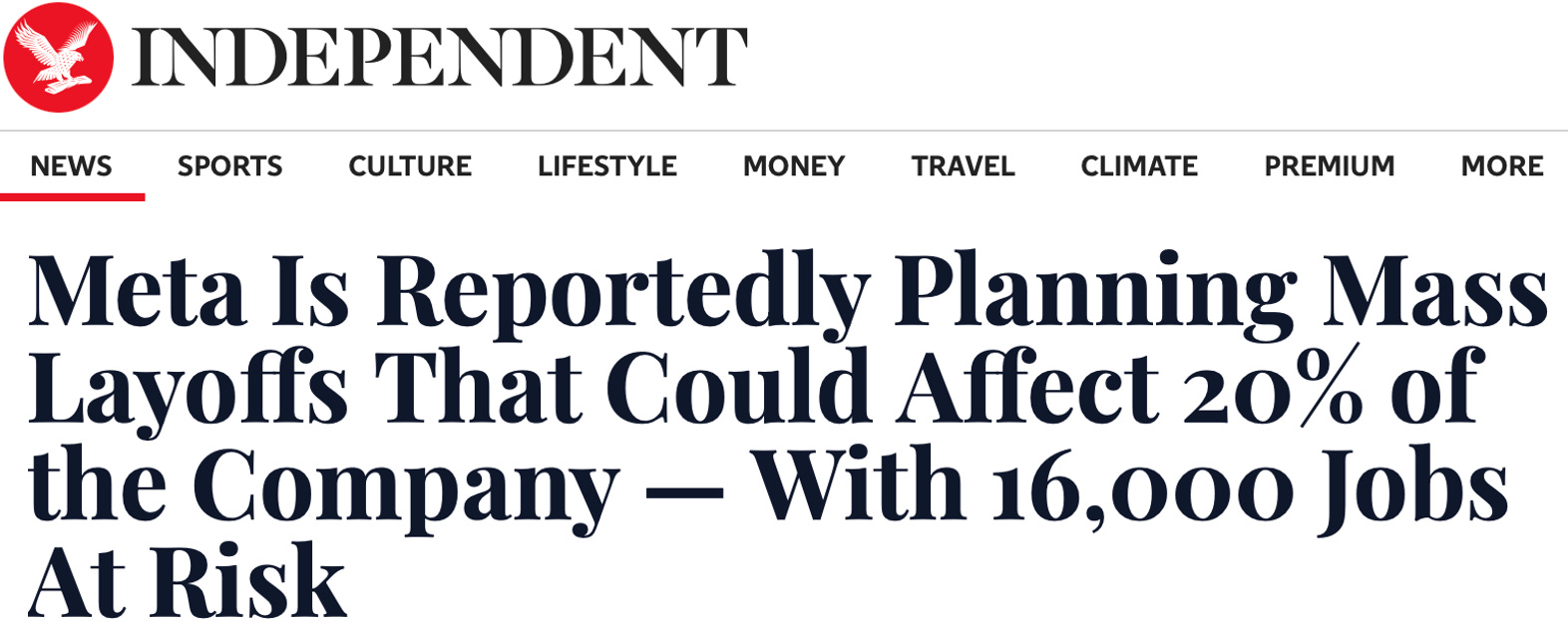
So did Meta.
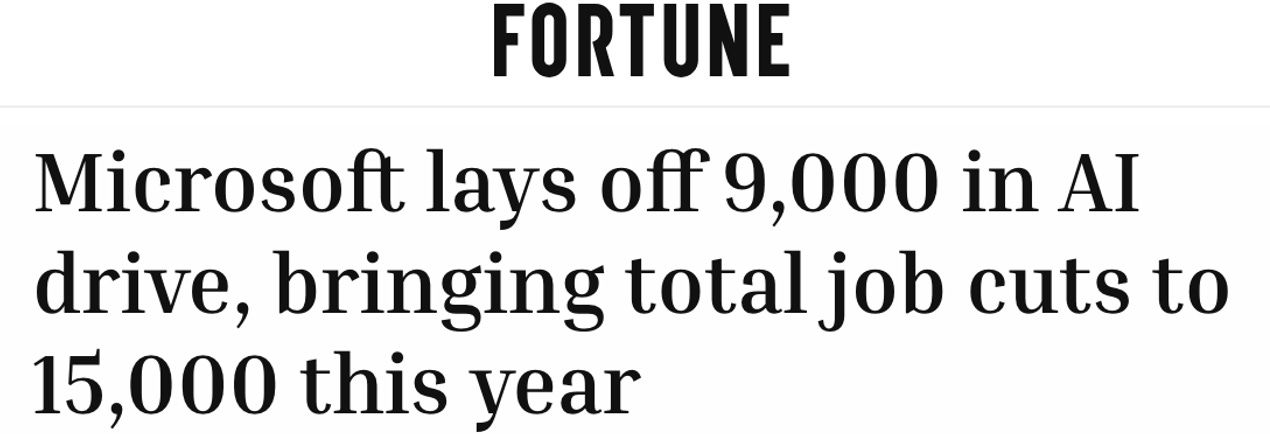
And same Microsoft, which dropped 15,000 heads back in 2025.
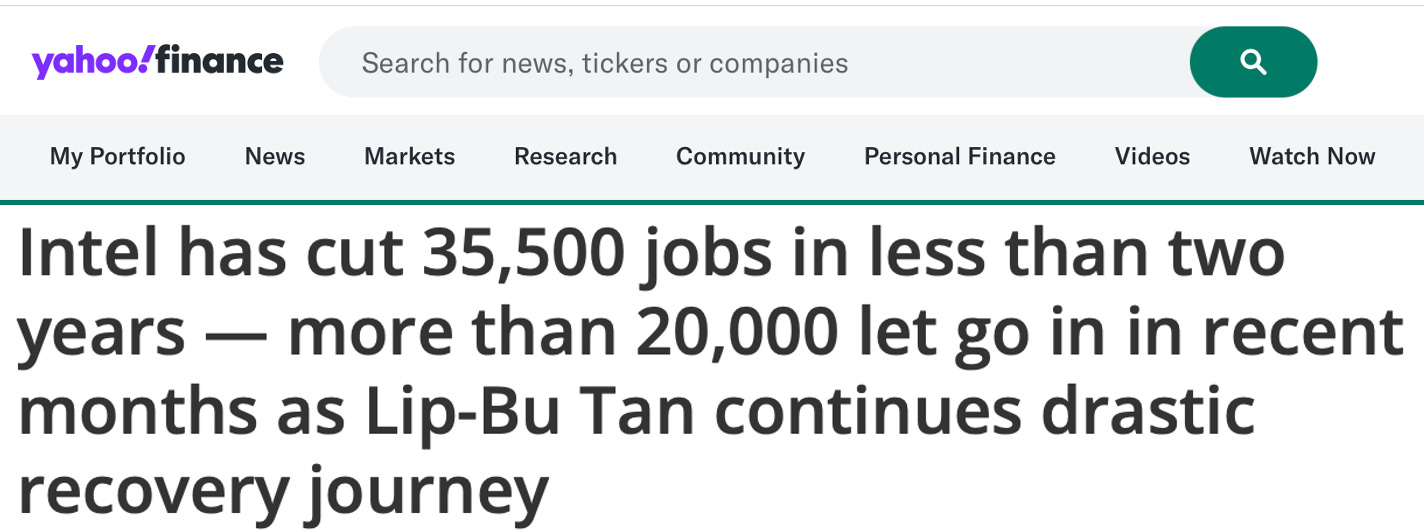
Circuit design, another field demanding tons of rigorous performance of math and logic, has also seen cuts with Intel sacking 20,000 in recent months; 35,000 in two years.
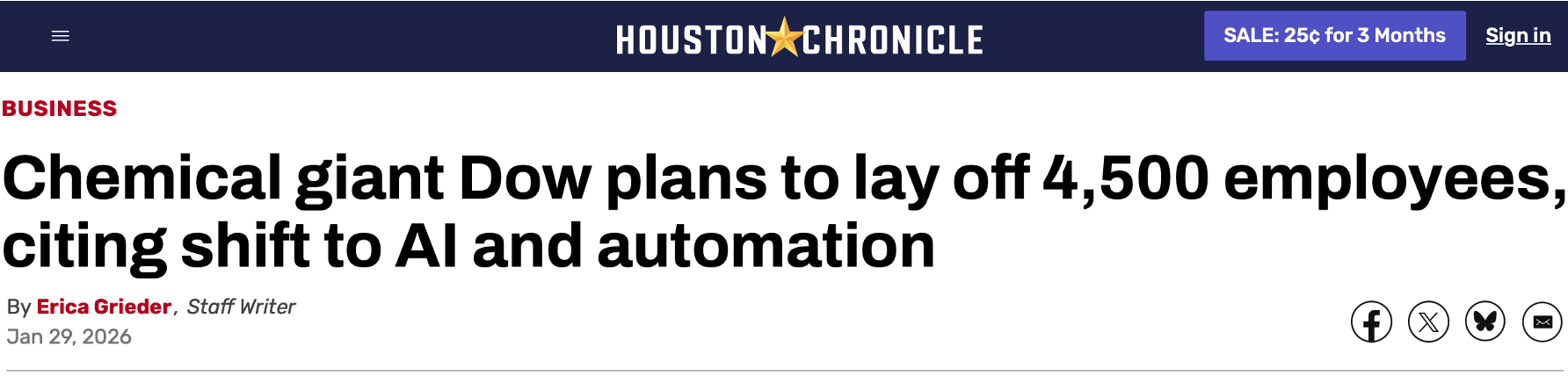
Dow Chemical, a company which depends equally on logistics and chemical engineering, announced a 13% reduction in its workforce.
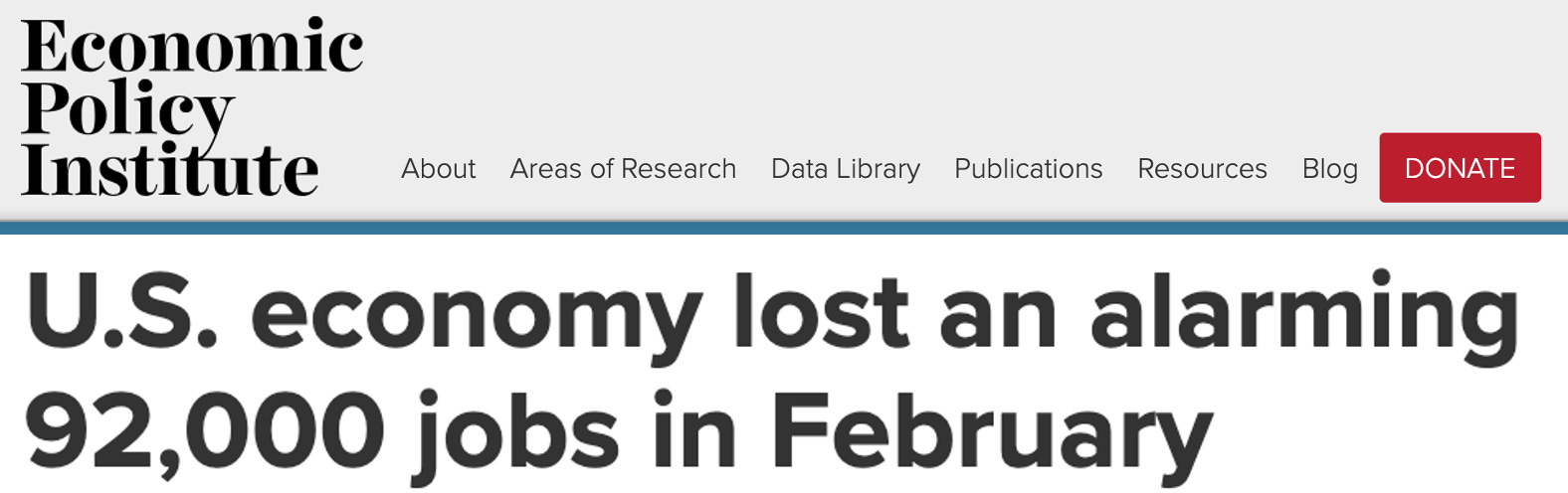
Salesforce dropped 4,000 people in 2025 and Block just let go the same number, equaling 40% of its payroll. Patrick is fond of saying, “the next big thing will be a lot of little things”…. unless those little things are all big things. Sum the above cuts and the economy lost a huge number of jobs last month.
An MIT study found, just at current capabilities, AI could displace 12% of the economy. Their model, called the “Iceberg Index” for revealing the portion of replaceable labor hidden beneath the visible “tip of the iceberg,” suggests, in addition to what we know about — i.e. the 2% of disruption resulting in layoffs today across technology, computing and information — the rest will come from jobs in human resources, logistics, finance, and office administration. Which is to say, MIT agrees with my assessment and measures the remaining cuts to equal 10% of the economy.
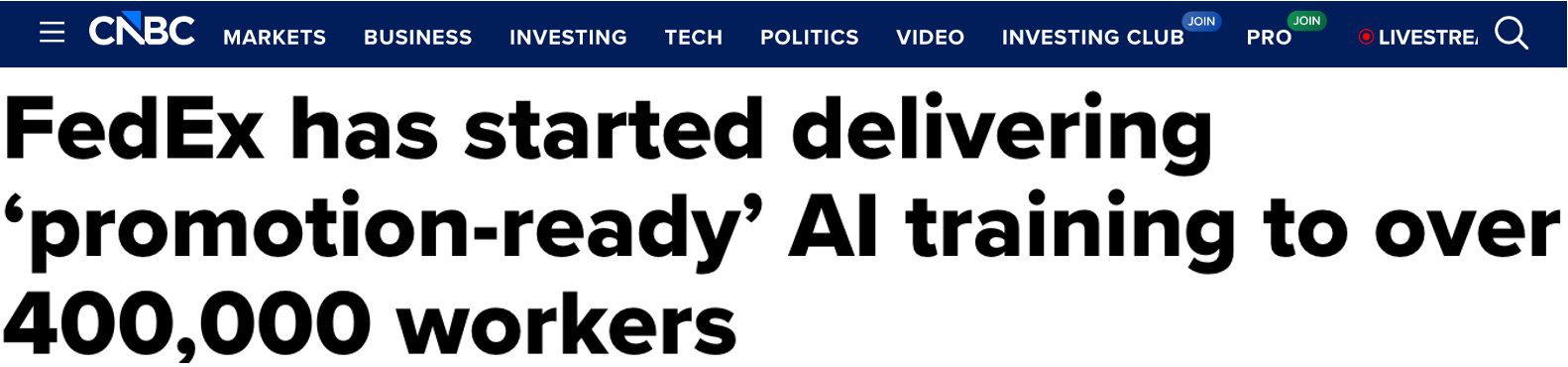
A few things stand out. Going forward there will be two kinds of people: those who use AI and those who don’t have jobs. In impacted industries, already pressure must be immense. FedEx, notably did not announce layoffs, but just launched a huge AI training campaign. The cynical part of me — the Wall Street bro — says, employee participation in this program will determine who gets sacked and who doesn’t when they do the inevitable. US Postal, of course, will get around to AI just as soon as the government sorts out a Central Bank Digital Currency — which will be never.
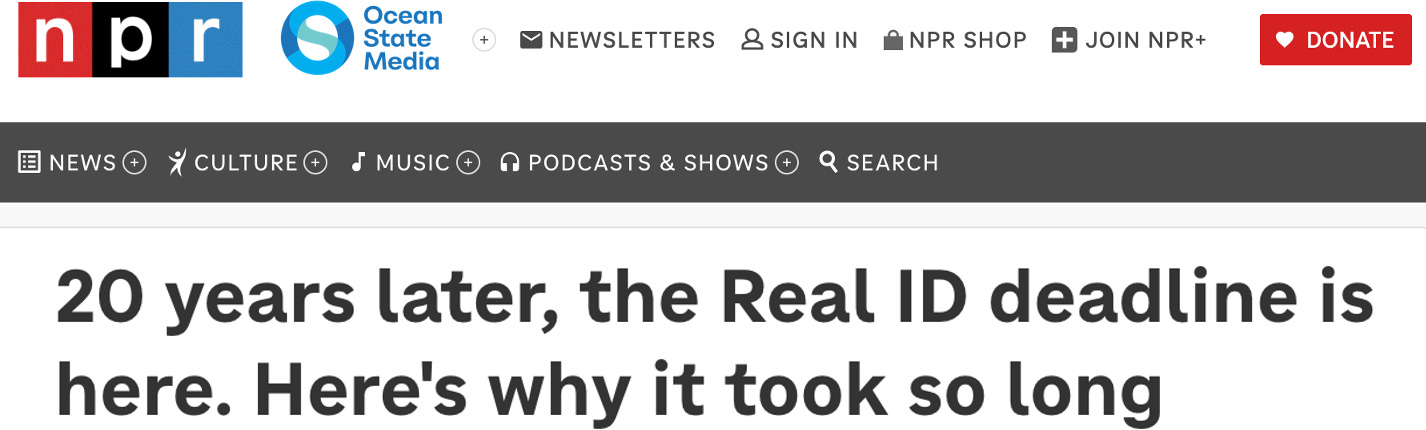
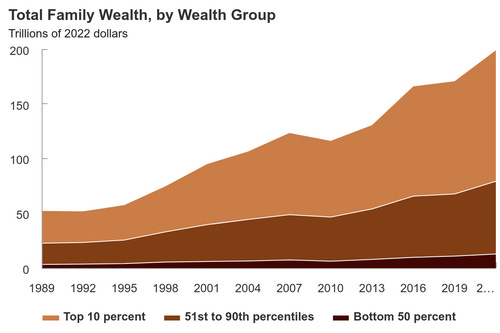
Lets assume progress stays on pace, with AI subsuming a greater range of jobs within the economy over the next two years and rising from 12% coverage now to 17%. This will evoke more questions than we can find answer and without time to form them anyway — that’s even assuming labor force uptake isn’t immediate and layoffs are lagged in the “real economy.” Unemployment claims and deficits will very likely burden the government. Efficiency gains and slack demand will likely pressure prices. In a situation with an already wide gulf between the political, cultural, and economic poles, what are the social consequences? It’s possible the wealth gap could worsen the hard way, with educated labor converging down to (or below) trade labor rates.
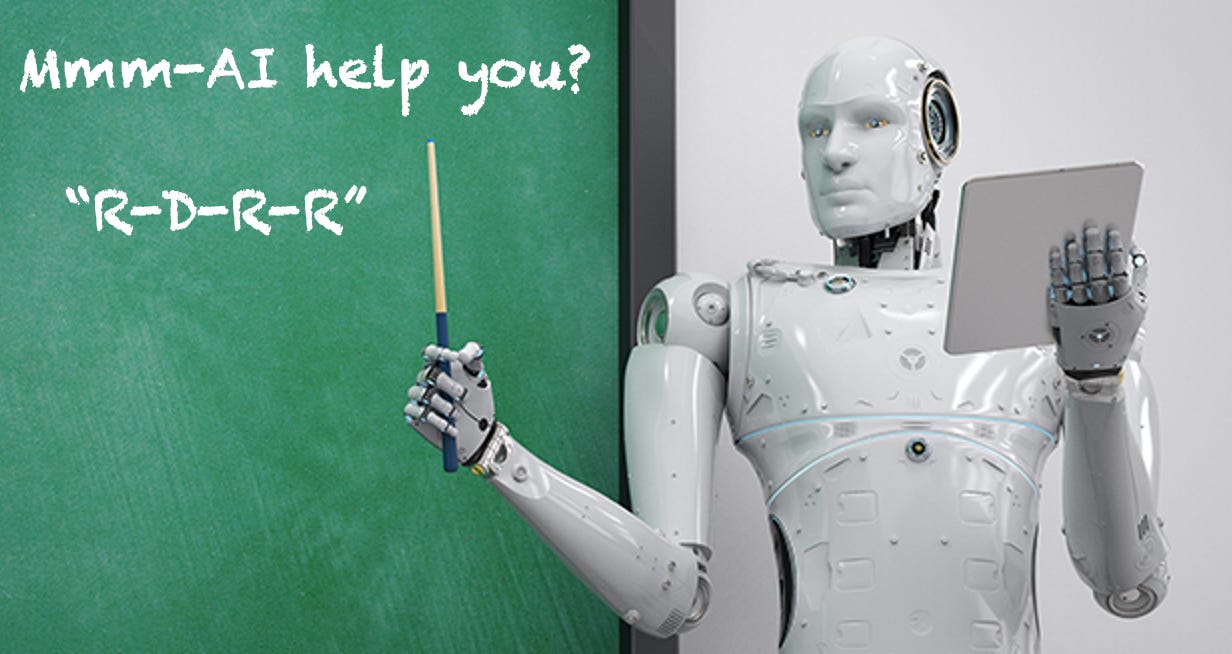
Looking at education, squarely within our nonprofit’s remit: a largely unionized and/or tenured workforce, one might expect teaching to remain stubbornly behind the private sector. However, it would not be ideal to have all the tutors using AI and all the teachers not. But, play that out to its logical end and you’ll have a classroom in which robot teachers are instructing robots students who produce robot papers marked by robots graders?
Then there are the questions of regulation and ownership. What about the role of AI in the broader OSS “ecosystem” (another word I loath as much as “journey”). What happens when two people vibe-code the same product idea? Naturally, the output will look very similar? Who owns it? Under what license is vibe-coded product distributed? Will the novice/layman developer even be aware licensing is a thing? If they are, why wouldn’t they just turn that over to the machine too? I’ve been in the OSS business for 6 months now and the “inside baseball” of licensing is the aspect I understand the least — in no small part because it’s also the most boring.

Not everybody wants to eat ultra-processed food, so does everybody want to consume ultra-processed work product? I haven’t started putting my writing through the Anthropic word extruder yet for fear AI will consensus-wash my voice. That and I don’t want to get a lecture about how to grow up and strike a more professional tone. Pass. For good or bad, I want to write the way I speak.
Next week, my “journey” into AI. Like it or not, in roles where we sit at laptops, it’s use it or lose it. That’s the problem we all face. It’s also “the problem.” Well, for anybody who’s not a welder, plumber, or electrician that is.
Really good write-up!!!