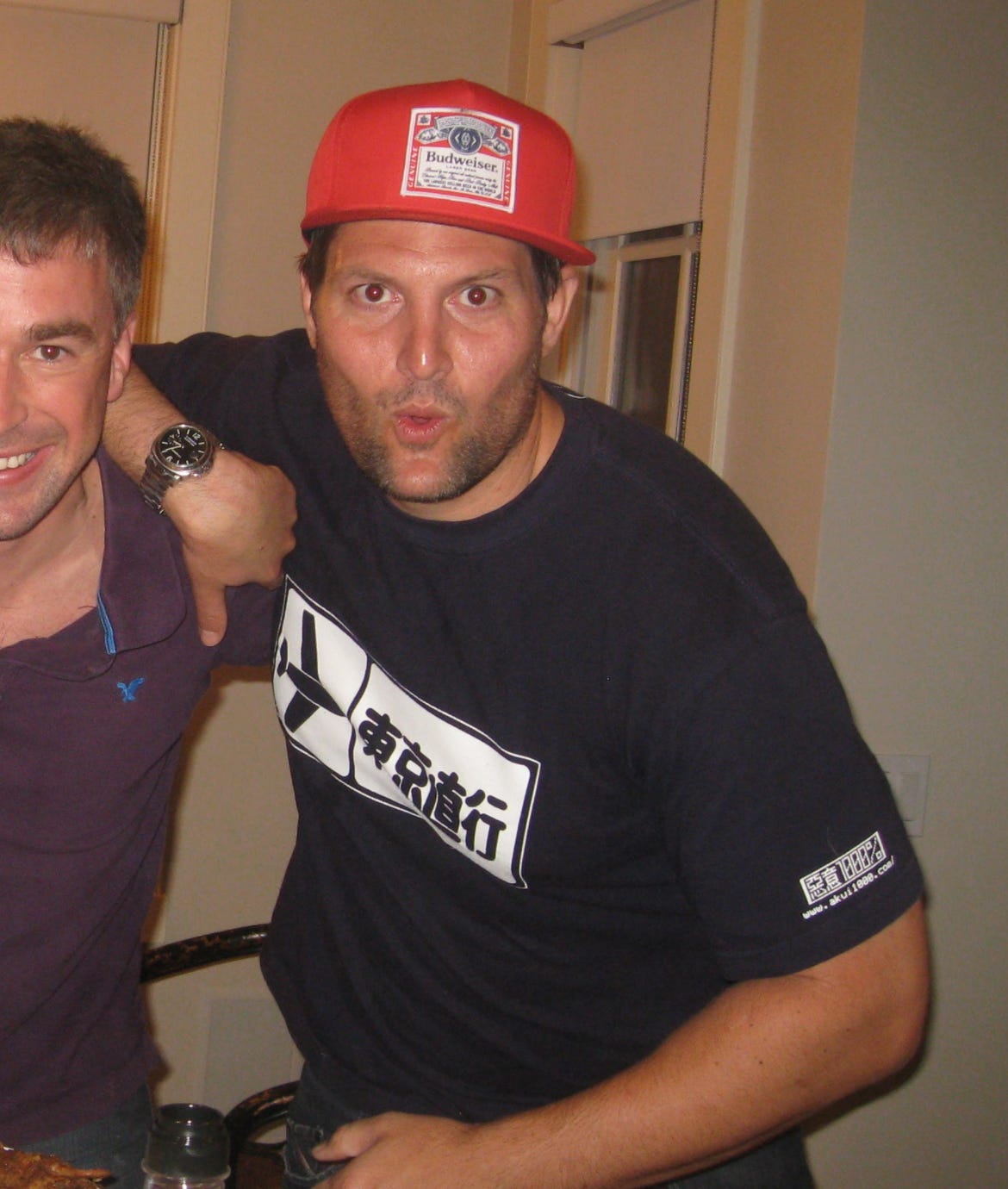
Let's go to Tokyo

This is the sports watch of the 1980s. Six thousand, nine hundred and fifty-five dollars retail! It tells time simultaneously in Monte Carlo, Beverly Hills, London, Paris, Rome, and Gstaad!
Louis Winthorpe III, Trading Places
I had a tee shirt I bought at Narita International Airport that said that in Kanji when I lived in Japan. Not about the watch, but “Let’s go to Tokyo.” People my age will remember when Japan came to America too. In 1979, Sony released the Walkman. It became the definitional consumer electronics product of the Eighties. In 1985, the Nintendo Entertainment System was released containing the obsessive Super Mario video game bundled with the console. Foreign cars, Toyota in particular, had spent the late Seventies hollowing out Detroit which was plagued by quality issues and a lingering addiction to gas guzzlers. All things Japan became cool. In every category, from Casio calculator watches to Sanyo “Big Ben” boomboxes, the Japanese offered a novelty that was both better and more compact. And, the country once devastated by World War II, had thus muscled it’s way back on the world stage, falling just under USA and USSR for economic size.

On September 22, 1985, Japan, France, West Germany, United Kingdom, and the United States entered into an agreement, The Plaza Accord, to weaken the US Dollar in an effort to re-balance trade, curb manufacturing job losses, and boost US consumer activity. Somebody had to buy all those Japanese exports after all. Named for the Plaza Hotel in New York City where the deal was signed, it resulted in a doubling of the yen’s value. It worked too well, and to stabilize their domestic economy from the shock of Japanese export prices doubling worldwide, and to prevent the yen further appreciating, Japanese policymakers undertook an aggressive monetary easing, cutting the discount rate to 2.5% in February 1987.
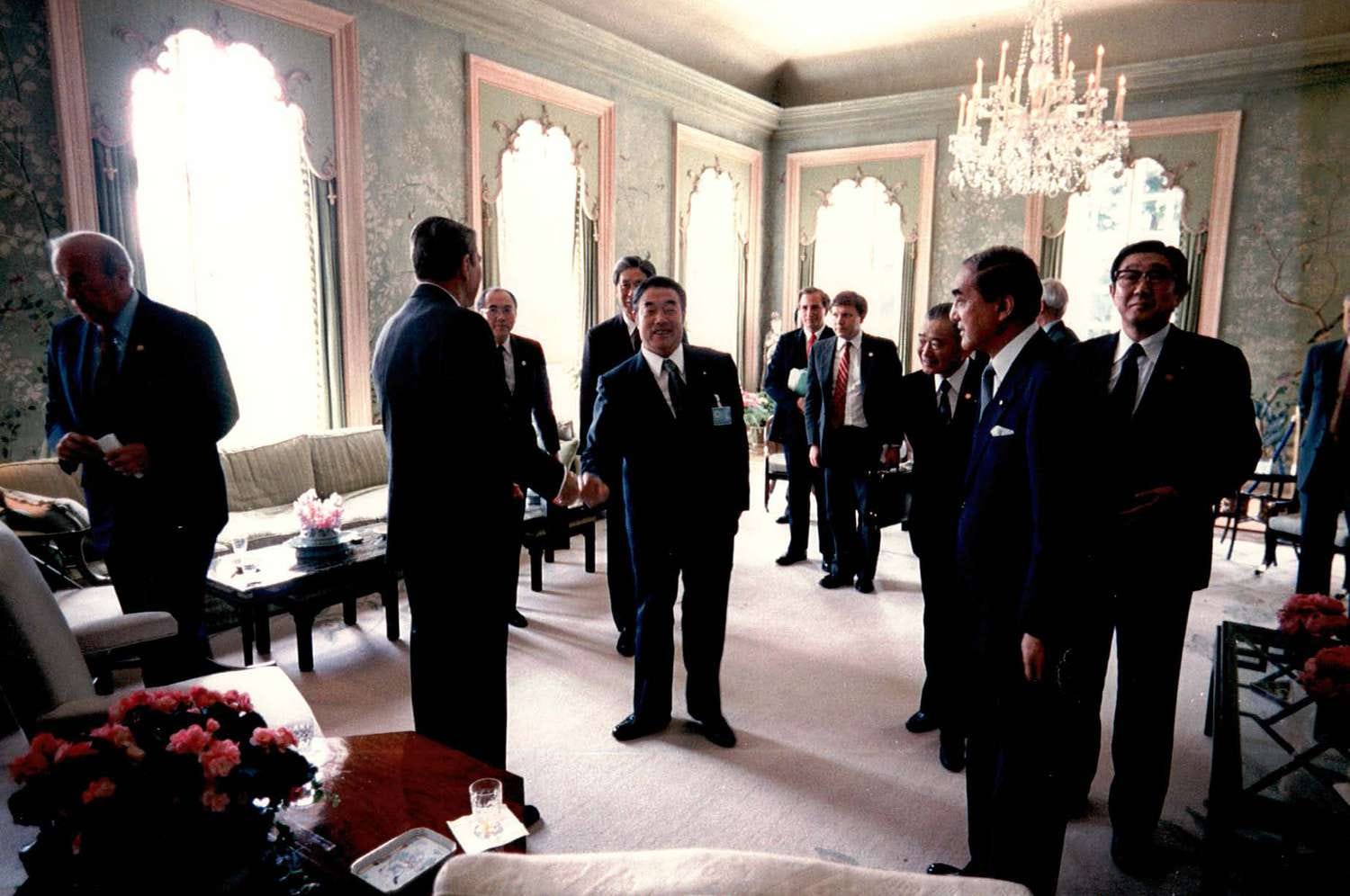
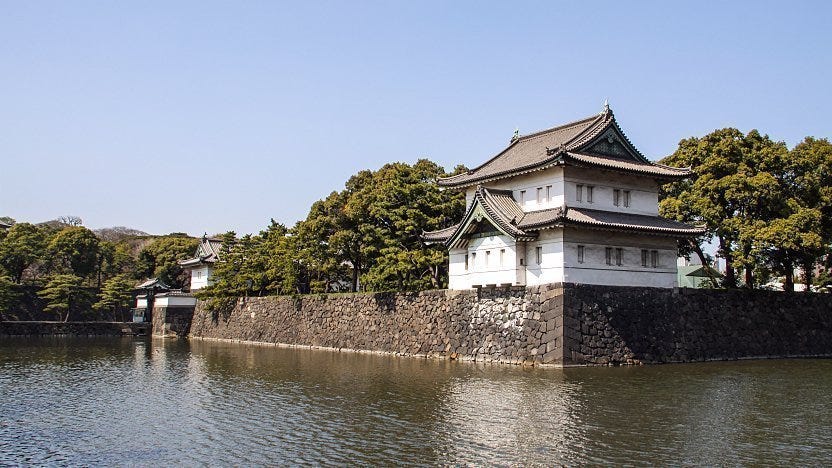
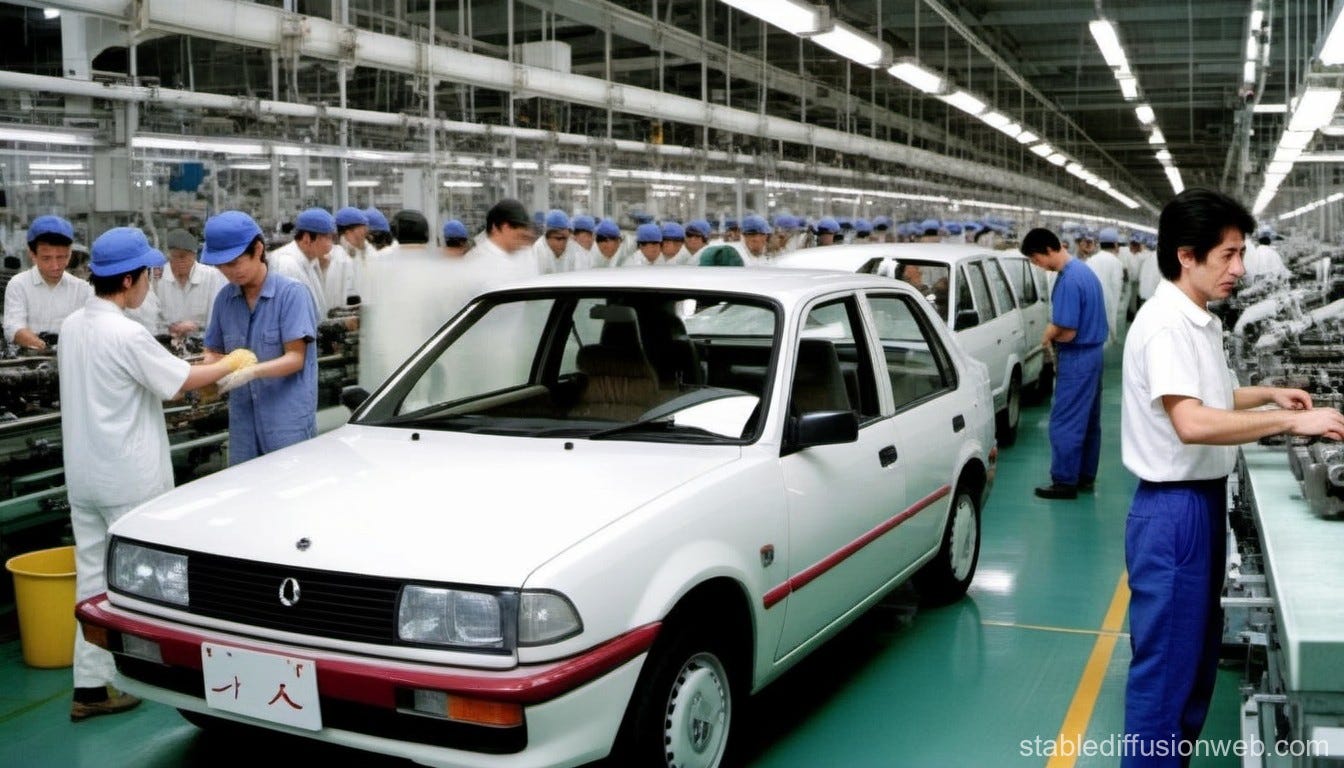
Japanese domestics, native savers, rotated out of interest bearing investments and started buying stocks and property instead. Japanese corporations, riding a wave of refreshed demand for exported consumer goods, soaked up cheap credit and expanded capacity. Already the most efficient manufacturing base in the world, Japan’s production gained tailwind from assembly line electronics and robotics. Asset prices screamed higher. Foreign retail investors, driving by the rear-view as always, chased what was hot even higher. Tokyo land prices exceeded $139,000 per square foot. The Imperial Palace became more valuable than than the entire state of California. And then somebody lit a match.
Tokyo land prices peaked, drifting from outer atmosphere back down to earth. Bank of Japan hiked rates to 6% to cool investment. The stock market began to unravel, losing 43% in one year (circa 1990). And the “Lost Decade” was begun. Tokyo land prices fell 13-19% (residential versus commercial) in 1991. But, that was just the appetizer. The bubble collapse was officially declared in early 1992, when land prices dropped even more. Too many factories, funded by too much cheap credit, boosted by bubble-fueled automation, pumped out too many products and consumer electronics prices collapsed. The cancer of corrosive deflation metastasized from asset markets and spread into the real economy. If everything is always getting cheaper, one should wait until tomorrow to purchase, and then again until tomorrow, and then again… With consumers always waiting for lower prices, demand fell, and prices fell some more. The dragon chased its tail.
Japan land prices finally began to recover in 2018, with a 0.1% increase over 2017 levels. So it was a little longer than a lost decade. A culture rooted in traditionalism, it took policy-makers way too long to embark on experimental policy measures to break the cycle. When they did, in 2001, they turned to quantitative easing. The Bank of Japan flooded the banking system with liquidity by purchasing massive amounts of government bonds and other assets. While this transferred well to bank lending and stabilized financial markets, it had limited success in renewing economic growth or inflation.
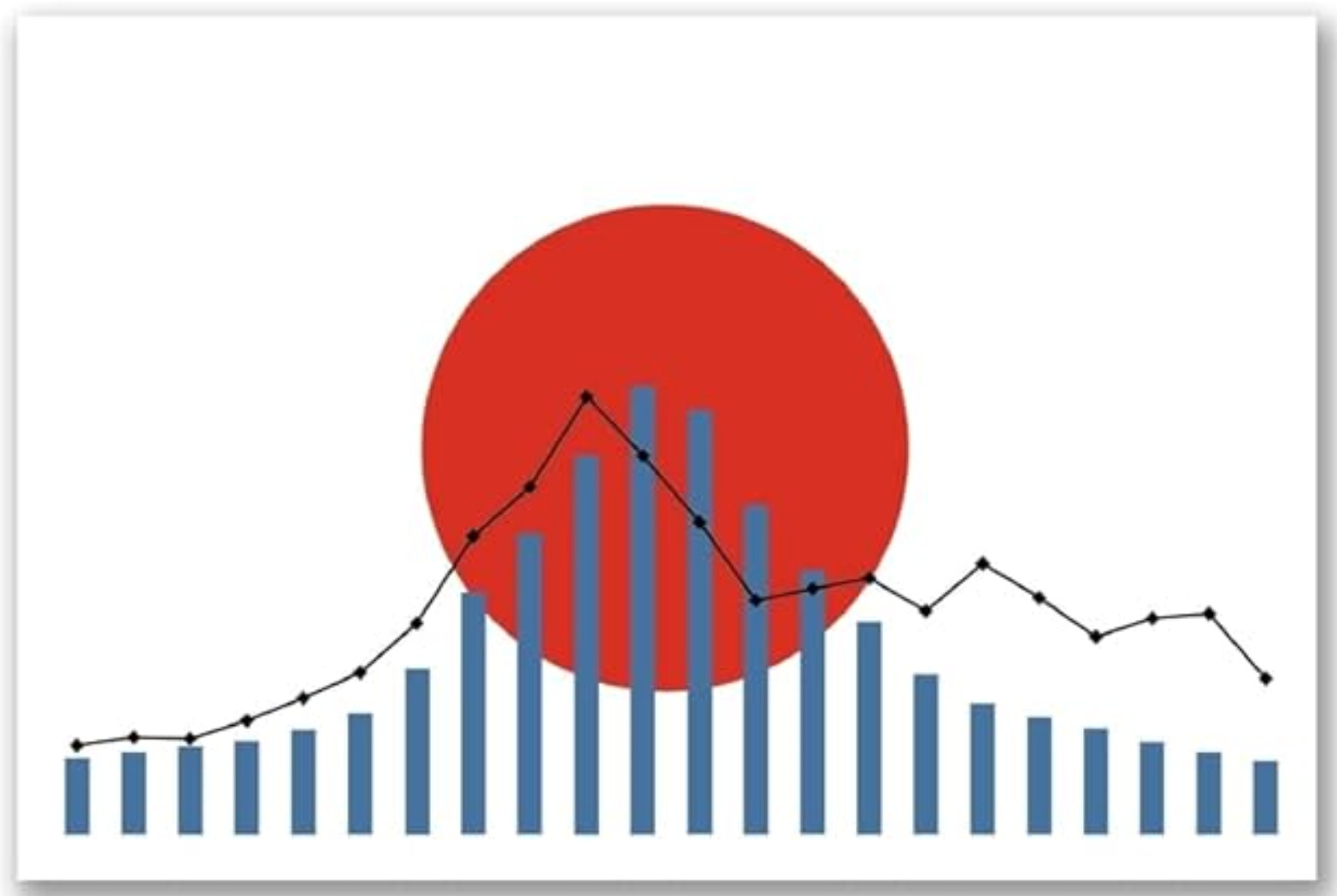
There’s a saying on Wall Street: “The only thing the Japanese cannot make is a profit.” And the only country in the world that’s better at making deficits than the US, is Japan. Their debt-to-GDP stands at 237% now. For comparison, the US, which lives in the same zip code as Greece and Italy, has a ratio of 124%. Some countries in better fiscal shape than America (well it’s pretty much all of them) include: Zimbabwe (87%), Argentina (83%), Pakistan (80%), South Africa (77%), Yemen (70%) and Iraq (43%). Of course, most of these are not so disciplined, but rather nobody will lend to them. But, they got there by running debt-to-GDP up to above 150% and then defaulting.

However, Japan stumbled into its catastrophe with a relatively clean balance sheet. Debt-to-GDP was only 63% in 1990. Meaning, since then, the central bank has swallowed up the economy almost two times over trying to breathe some life into the system.
Last week i Wrote, “An MIT study found, just at current capabilities, AI could displace 12% of the economy.” Assume AI creeps up from 12% coverage of employment now to 17% over the next 5 years (which seems conservative). One might expect, at least a 6% boost to structural unemployment, taking the headline number up to 10% for some years.
So, unemployment claims increase. Unionized government payrolls do not decrease. Deficits swell. Demand softens. And add that to the declining birthrate and aging population; as, meanwhile, AI-driven efficiency gains help maintain output. That, to me, looks a lot like Japan. The only difference being, they started their deflationary spiral in way better fiscal condition. Well, that, and the Japanese love to save money (meaning buy domestic bonds) while Americans vastly prefer to spend it. That is, when they have money. And that’s why they did the Plaza Accord in the first place.

Donald Trump bought the Plaza hotel in 1988. He sold it in 1995 for a loss. Now it belongs to the government of Qatar. Just like Air Force One. Lets hope they love US Treasuries just as much.